Erectile dysfunction and problems achieving an erection can have physical, psychological, and relational causes. At Stærkt Sind Aarhus, we focus on the mental and emotional aspects, especially when performance anxiety, stress, shame, self-criticism, or unconscious beliefs are involved.
It affects not only your sex life, but also your self-esteem, your joy in life, and your relationship.
You can attend a session in Aarhus C or online.
Erectile dysfunction, difficulty getting an erection, and performance anxiety
Erectile dysfunction isn't always a physical issue. For some men, the problem arises in specific situations, relationships, or periods of stress. It can manifest as difficulty getting or maintaining an erection, or being present during intimacy without starting to judge oneself.
And once those thoughts start racing, the body may react with tension instead of mindfulness.
.The fear of failure can become part of the pattern that perpetuates the problem..
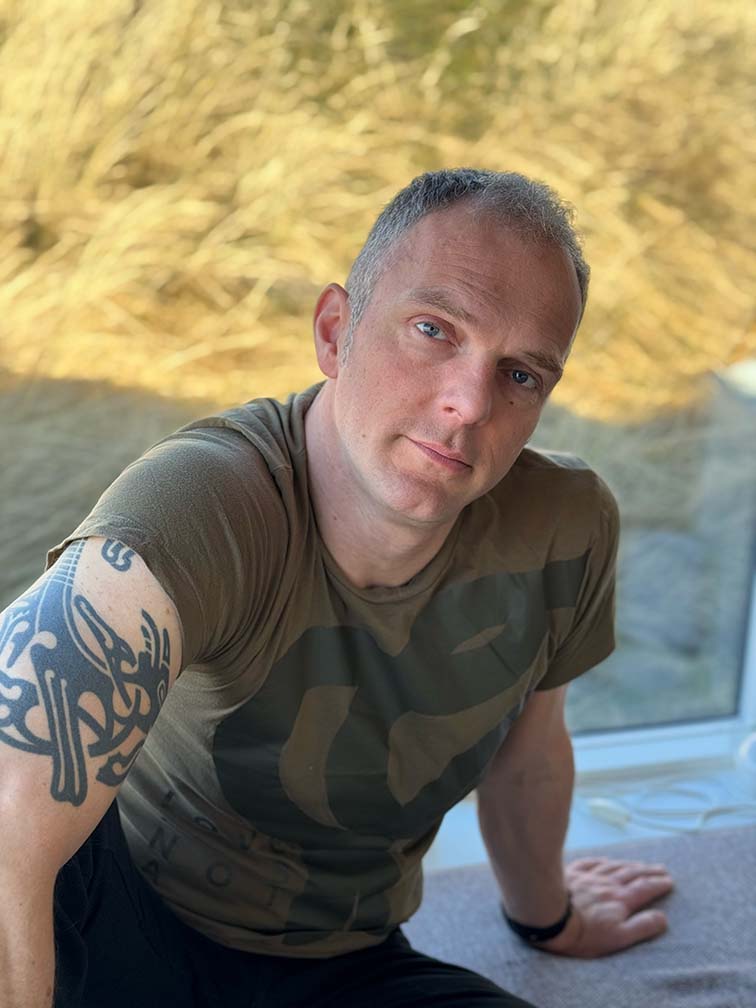
PSYCH-K® Facilitator
Thomas Vestergaard
When can erectile dysfunction be psychologically caused?
Erectile dysfunction can have physical, psychological, and relationship-related causes.
This may indicate a psychological rather than a physical cause if, for example, you experience:
FACT BOX:
Erectile problems are also known as erectile dysfunction. This means having difficulty getting or maintaining an erection so that sexual activity can take place.
The prevalence increases with age and depends, among other things, on health, circulation, lifestyle, medication, and psychological stress. Erectile dysfunction can also be caused or exacerbated by stress, performance anxiety, depression, self-criticism, or relationship problems.
For example, Sundhed.dk reports 5 percent of 40-year-olds, 10 percent of 50-year-olds, and 20 to 25 percent of men over 65, while Medicin.dk reports approximately 20 percent among 40-year-olds, rising to approximately 50 percent among 70-year-olds.
When should you see a doctor?
If you experience recurring or persistent erectile dysfunction, we recommend that you also talk to your doctor.
In some cases, erectile dysfunction may be related to physical factors such as blood pressure, circulation, diabetes, hormones, medications, alcohol, smoking, sleep, or overall health. It is therefore wise to have it checked out, especially if the problem is new, develops gradually, or also occurs outside of sexual situations.
At Stærkt Sind , we do not Stærkt Sind medical diagnoses and do not replace medical treatment. We focus on the mental, emotional, and relational aspects of the problem.
How We Work at Stærkt Sind
At Stærkt Sind , we Stærkt Sind a holistic approach to erectile dysfunction and sexual performance anxiety, viewing them as an interplay between thoughts, emotions, the body, relationships, and unconscious beliefs.
We’ll help you explore what’s going on inside you before, during, and after the situations in which the problem arises. Not to assign blame, but to identify the pattern that needs to be changed.
Among other things, we work with:
We meet you on equal footing, without blame or shame, offering practical tools to support you as you work through performance pressure, self-criticism, and physical restlessness.
The body has to come along, too
Erectile dysfunction isn't just about limiting beliefs. The body, the nervous system, breathing, and the muscles also play a role.
That is why, in our program, we also incorporate specific physical exercises if they are appropriate for you and your theme. These may include exercises to improve your connection to your pelvic floor, your breathing, and the muscles that affect tension, relaxation, and physical well-being.
Pelvic floor exercises for men aren’t just about “tightening more.” They’re also about being able to feel the difference between tension and relaxation. For some men, the challenge isn’t a lack of control, but too much control, too much focus on performance, and too little calm in the body.
That’s why we work with the body in a simple and dignified way, where the goal isn’t to turn sex into a fitness project, but to help you rediscover connection, trust, and naturalness.
When appropriate, you can receive a simple at-home program with exercises for the pelvic floor, breathing, relaxation, and body awareness.
From Sex and Performance to Love and Intimacy
For some men, sex gradually becomes something that just has to work.
When sex becomes about performance, the body often reacts negatively. What should be pleasure, connection, and play instead turns into pressure and shame.
In a course of therapy, we can therefore also explore the difference between “sex and performance” and “love and intimacy.”
Love isn't just about penetration, erections, or orgasms. It's about connection. About being present. About being aware of yourself and the other person without constantly having to deliver a specific result.
When performance takes a back seat, the body often has more room to react naturally.
Men Need Foreplay, Too
Some men have learned, directly or indirectly, that they must always be ready. That desire simply has to be there. That the body must respond quickly and on command.
But men also need security, peace, connection, physical contact, attention, and time.
Foreplay isn’t just something a woman needs. It can also be an important part of a man’s way of relieving performance pressure. When the pace slows down and the focus shifts from “Will we succeed?” to “Can we feel each other?”, there’s often more room for both desire and connection.
For some men, therefore, the work isn’t about pushing the body to function. It’s about creating the conditions under which the body can once again feel safe enough to respond.
PSYCH-K® and Sexual Performance Anxiety
In our work with PSYCH-K®, we examine the unconscious beliefs that can influence your reactions.
These could be, for example, beliefs such as:
In a PSYCH-K® session, we work on transforming limiting beliefs into more supportive goals. This can help you create a different inner experience of security, self-worth, and presence.
Learn more about PSYCH-K® here
FAQ
GET ANSWERS TO YOUR QUESTIONS
Here you'll find answers to some of the most common questions our visitors ask us; of course, you're always welcome to contactus.
The terms are often used interchangeably. Erectile dysfunction typically refers to difficulty getting or maintaining an erection, while sexual dysfunction is often used in a broader sense to refer to sexual function, desire, performance, and self-confidence.
Yes, stress can affect desire, presence, the nervous system, and the body’s ability to respond sexually. Stress can also intensify self-criticism and performance anxiety, which in turn can affect erections.
It may indicate a psychological cause if the problem occurs mainly in certain situations, if you still have morning erections, or if you can get an erection on your own but not when there is anticipation, pressure, or contact with a partner. It is still a good idea to talk to a doctor, especially if the problem is new or recurring.
If the problem is new, recurring, or persistent, we recommend that you talk to your doctor.
In some cases, erectile dysfunction may be related to physical factors such as blood pressure, circulation, diabetes, hormones, medications, or lifestyle.
PSYCH-K® can be used to address the unconscious beliefs that may be linked to performance anxiety, shame, self-esteem, and the feeling of having to perform. It is not a medical treatment, but it can be useful as a method of personal development.
Not necessarily.
You can start on your own. In some cases, it may make sense to involve your partner later on if the relationship, communication, or intimacy is also an important part of the pattern.
Both options are possible. You can come to a session at Stærkt Sind Aarhus C, or we can work online if that fits better with your daily schedule.
You don't have to do it alone
Whatever you're struggling with, there is a way forward. We use a combination of talk therapy, NLP psychotherapy, hypnotherapy and PSYCH-K to help you break unhelpful patterns, regulate your nervous system and regain your inner balance. Together, we'll find the right approach for you so you can feel better - step by step.
Are you ready to take the first step towards change?
Feel free to contact us for a no-obligation conversation.